
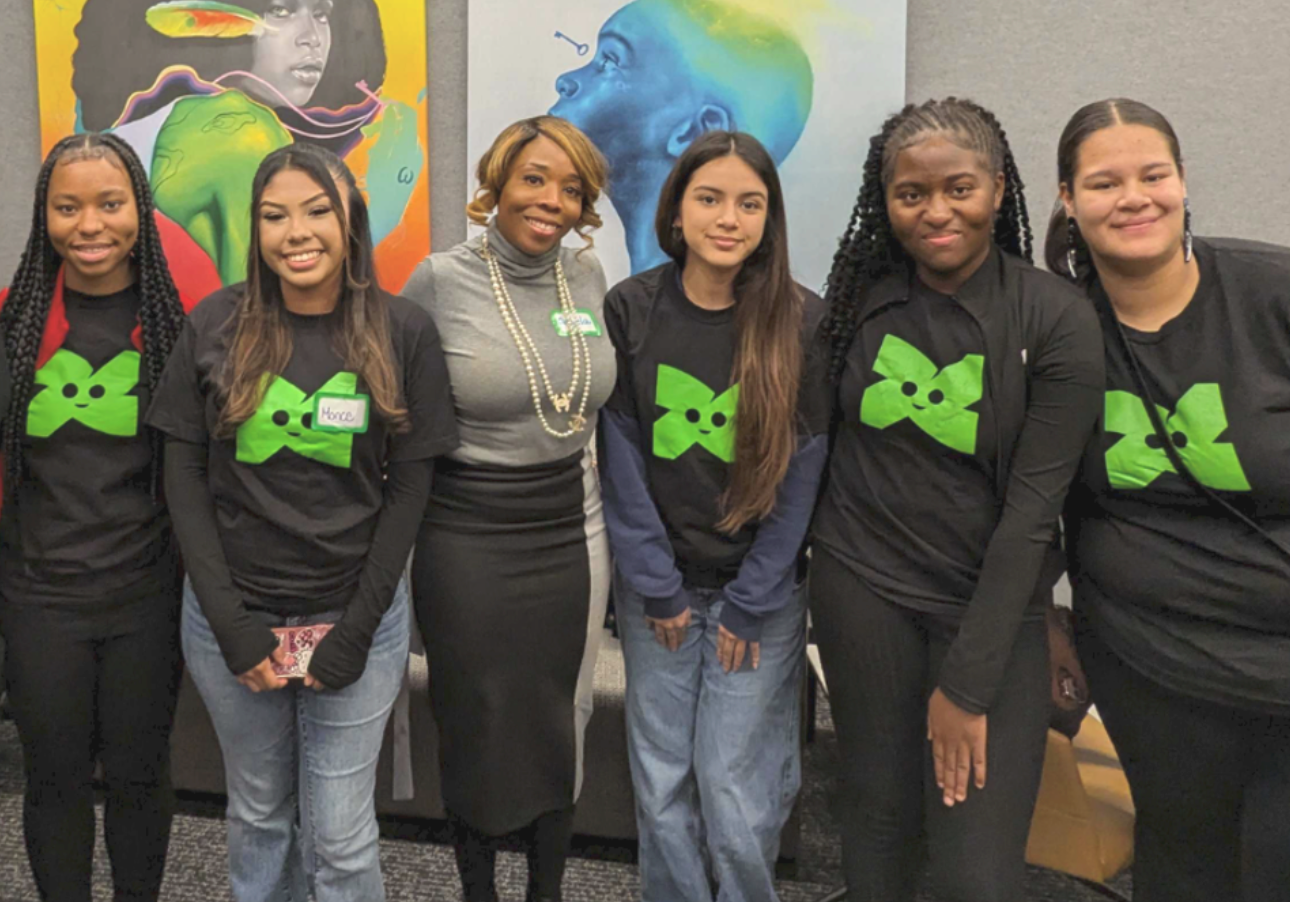
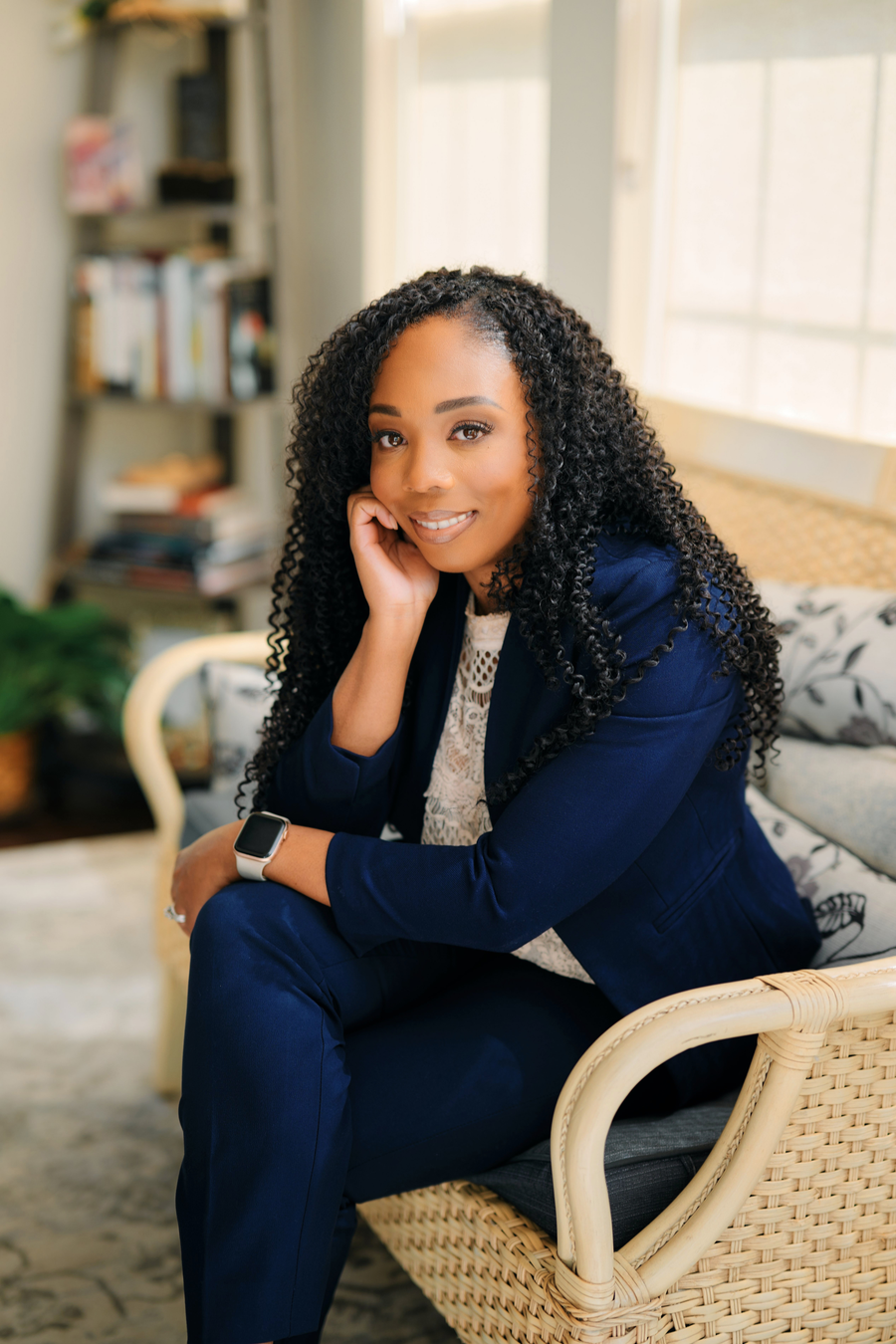
Dr. Angela Glymph, PhD, Peer Health Exchange CEO
Dear PHE Friends,
Young people are resilient. They're resourceful. And they're hungry for support that feels real — in schools, in their communities, and in the digital spaces where they spend so much of their time. Peer models work because they cut through stigma in a way adult-led programs often can't, and I remain convinced that early, upstream, youth-centered support has to be our priority.
This year, we got to deepen our roots in new communities — partnering with the Boys' Club of New York, The Health Gap in Ohio, Immigrant Family Services Institute, and the Center for Teen Empowerment in Massachusetts to bring peer-led health education directly to the young people who need it. And we're not slowing down: FY27 has some exciting opportunities ahead in Maryland, the Bay Area, and beyond.
We also kept listening — especially to our Youth Advisory Board, whose feedback shaped two new selfsea features: a Mood Check-In Tool that surfaces resources based on how a teen is feeling in real time, and The Wave, a peer chat forum where teens can talk to trained near-peers who actually get it.
We're now building tools for financial literacy and AI safety, because teens are telling us those are the next frontiers. I also had the chance to bring our learnings to some bigger stages this year — Behavioral Health Tech, the SALA Series Summit, and the Rare Beauty Mental Health Summit — making the case, over and over, that peer connection matters and that youth voice has to shape how we build healthier digital spaces.
None of this happens alone. Keeping young people safe online takes a real network, and ours keeps growing — including an expanded partnership with TikTok Trust & Safety. The truth is, the youth we serve are already showing up for themselves and each other. Our job is just to make sure they never have to do that alone. Thank you for making that possible.
With gratitude, Dr. Angela Glymph, PhD
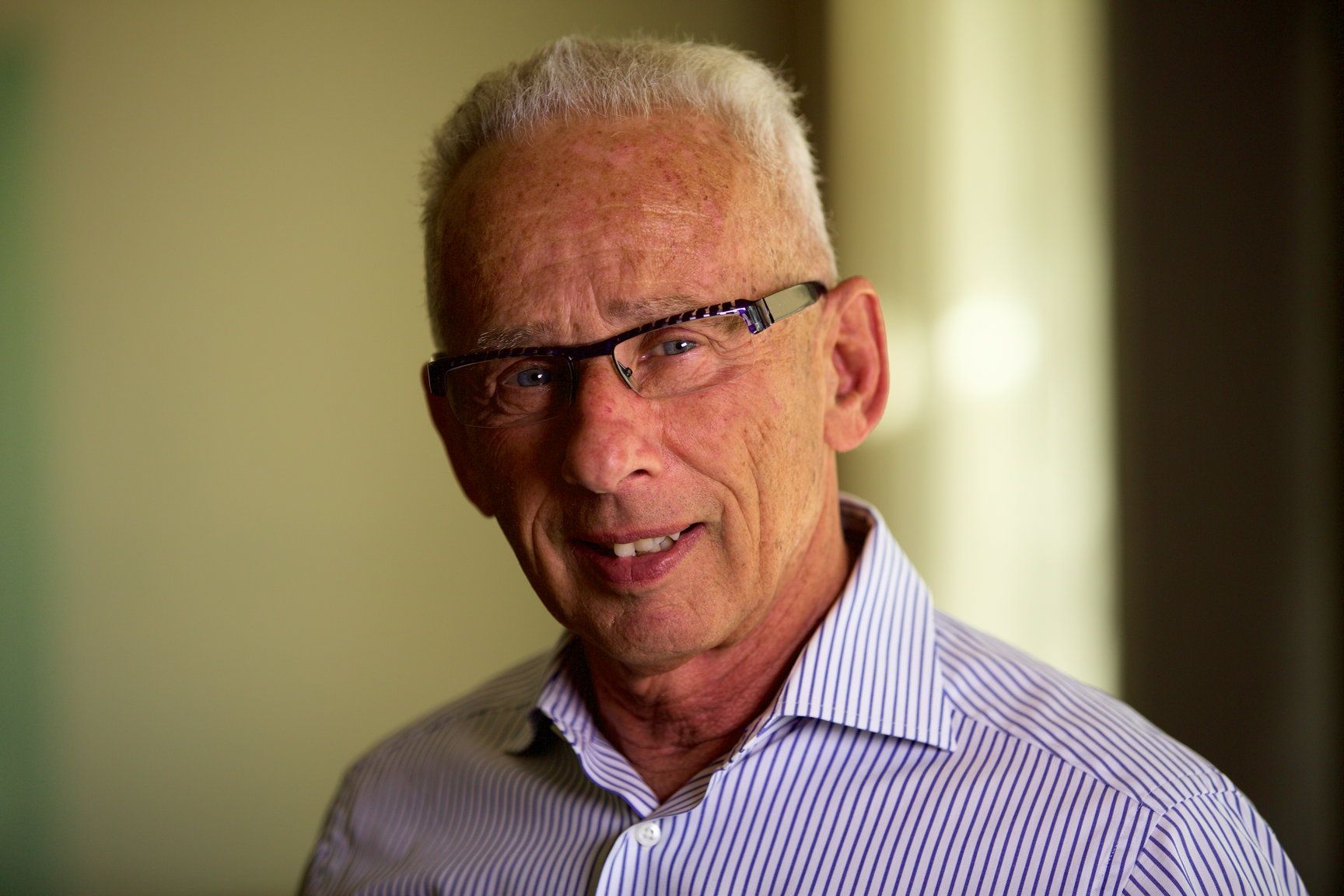
Gary Syman, PHE National Board Chair
Through a combination of resilience, innovation, and the tireless work and effort by the entire team, PHE's fiscal 2026 was a year of successfully meeting key challenges while achieving significant milestones. As a result, we furthered our long-held mission, which includes focusing on peers sharing the tools and resources that enable them to make better decisions regarding their health.
These past 12 months have been a difficult and stressful environment for PHE's 13–18-year-olds. The socio-economic and political climate particularly impacted our youth given that they are generally underserved and lack access to sufficient health support. The administration's efforts to close the Department of Education have reduced or eliminated school-based health resources provided by PHE and other similar organizations. At the same time, institutional funding has become increasingly more competitive and difficult among PHE and other mental health-related nonprofits. From 2000 to 2025, nonprofit mental health-focused organizations have approximately doubled while the number of funders has remained relatively static.
PHE's digital delivery of mental health support to its youth through its platform, selfsea, added over 500,000 new users during fiscal 2026, bringing the total to over 1.2 million. The year also saw the beginning of the rollout of Selfsea 2.0 which features new youth-informed engagement tools and more localized resources thanks to our on-going two-year partnership with the Youth Mental Health Corps.
Community-based partnerships, which support our digital delivery and are an important aspect of PHE's work, continue to grow. Notably, The Boys Club of New York has become a partner which is the first all-boys partnership.
Peer Health Exchange enters FY27 on remarkably strong footing both its impact on our youth, and the partnerships that fuel our work. In just the first six weeks of this fiscal year, nearly 300,000 young people have already engaged with selfsea, a testament to the trust teens place in our platform and the urgency of the need we are meeting.
This year, we are especially excited about the launch of The Wave, a new engagement feature on selfsea that we believe will set a new standard for how teens connect with mental health support online. It's more than a feature — it's a differentiator, and one that reflects what makes PHE's approach distinct: we build with young people, not just for them.
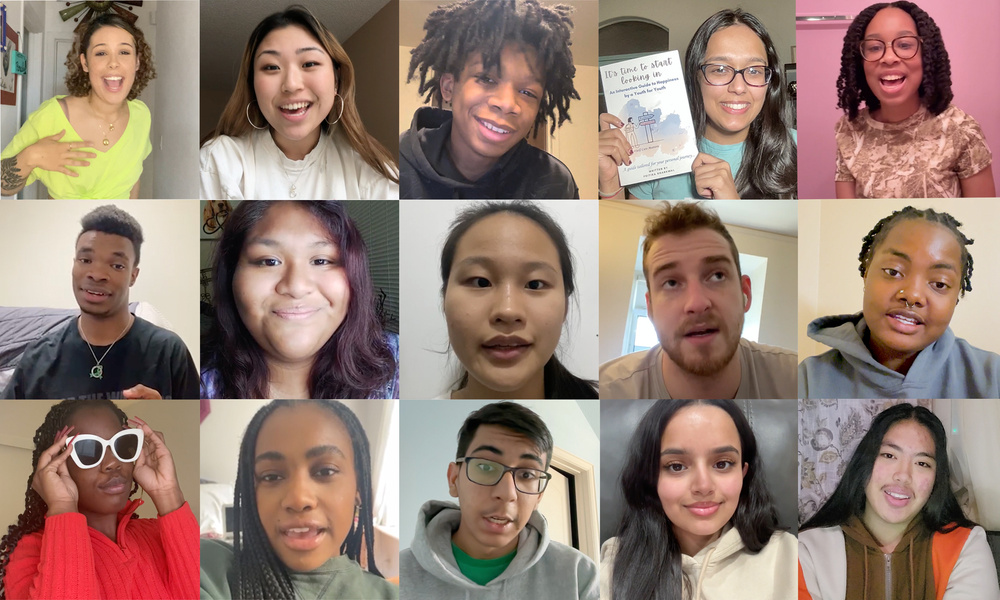
Our Youth Advisory Board comprises three program teams: the Advisory Design Team, Youth Brand Ambassadors, and Youth Design Group. These young people do not advise from the sidelines; they shape every element of our work, from curriculum content to digital strategy to organizational policy.
100%
of respondents affirmed that Peer Health Exchange creates welcoming, supportive, and safe spaces
75%
said "Yes, definitely" when asked if they feel their voice influences PHE's direction and work
75%
reported learning new information through their participation, including mental health self-care, community voice and advocacy, and equity concepts
“One of my fondest memories with Peer Health Exchange is with the Youth Design Group team when we worked to review the selfsea website. I got to learn more about my peers and it was a very creative space.”
“Peer Health Exchange has impacted me by teaching me not just to confidently express my own opinions, but to also be open to hearing what others have to say.”
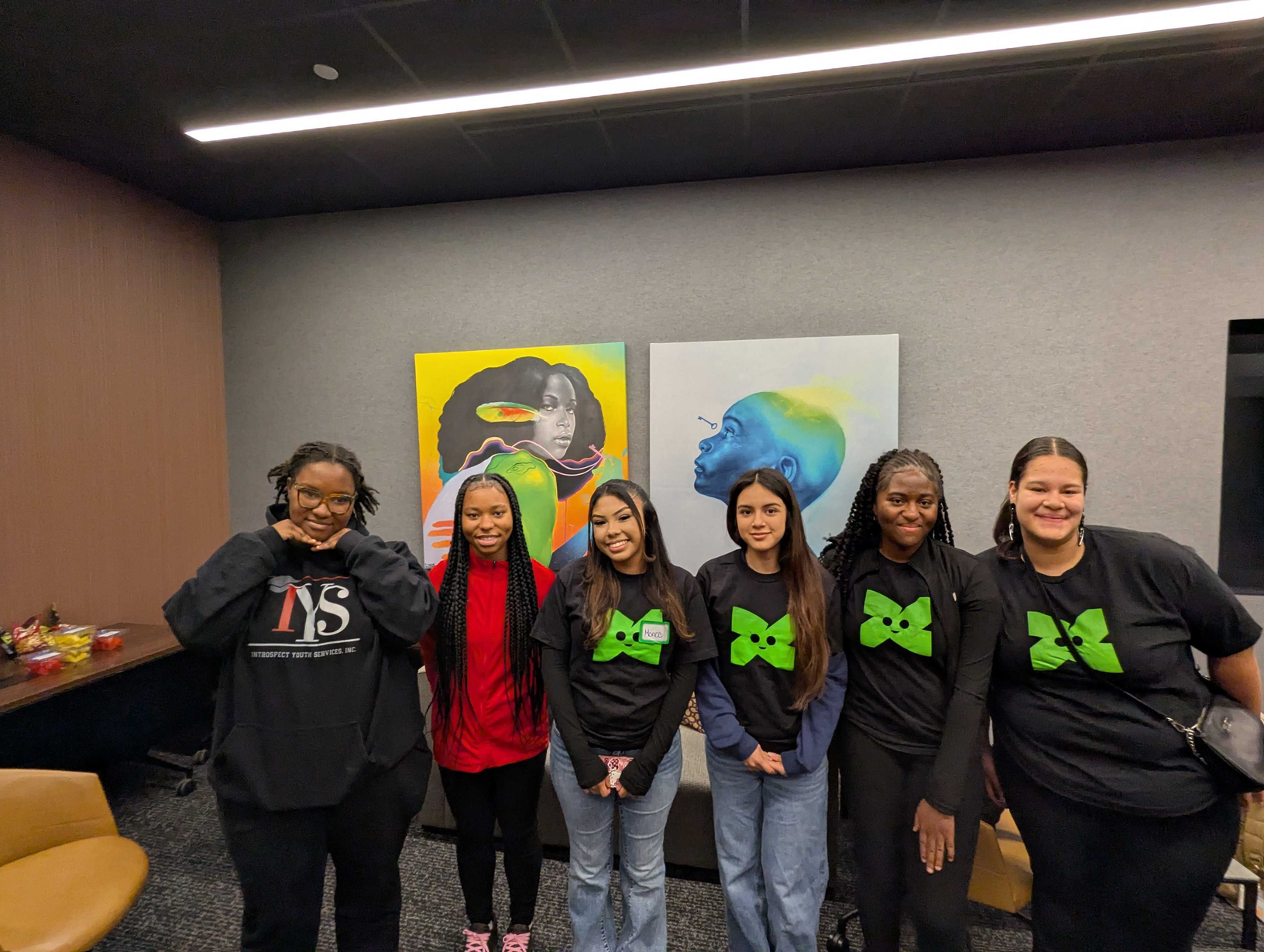
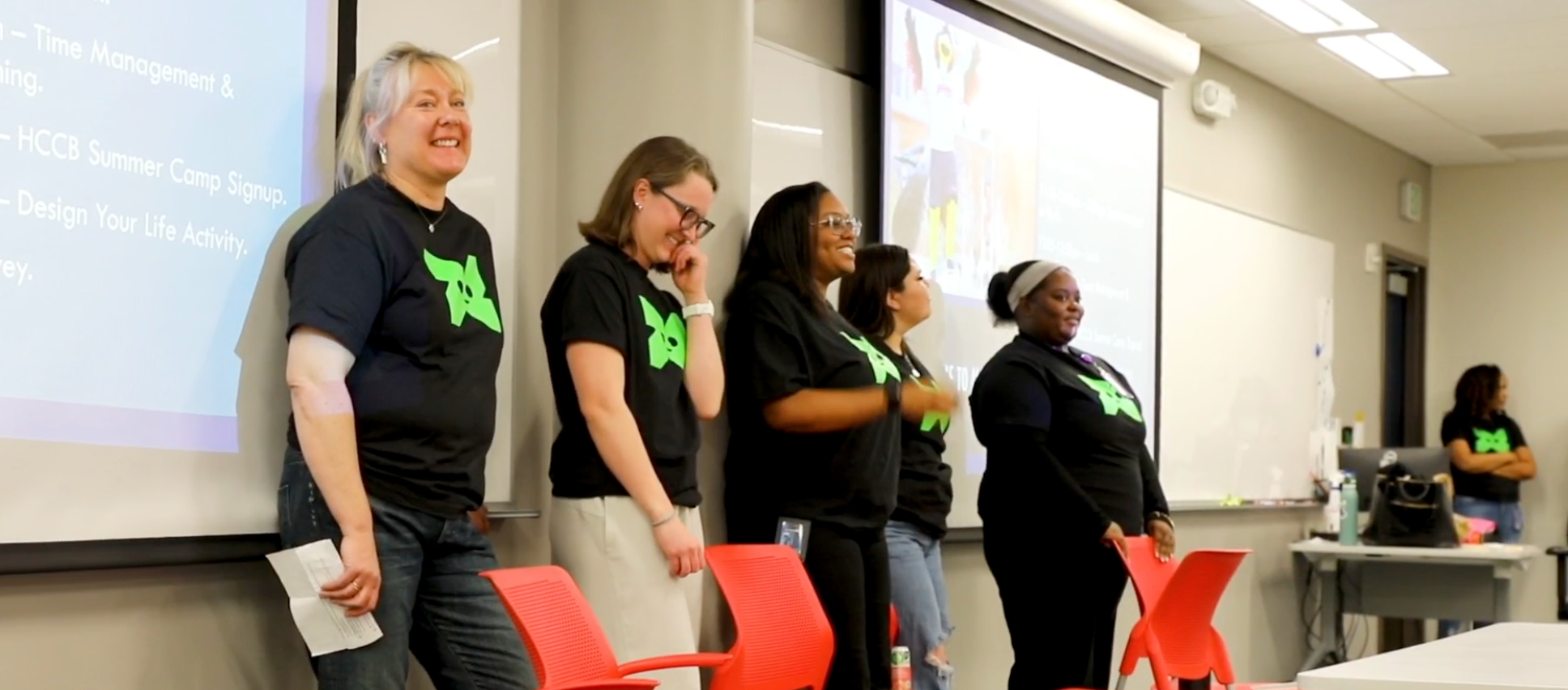
Peer Health Exchange works alongside our community partners to implement adapted versions of our peer-to-peer model, which trains youth to be the facilitators of PHE curriculum in their communities.
Massachusetts: Peer-to-Peer model engaging high school students as facilitators at The Health Gap and Immigrant Family Services Institute
Illinois: Expanded Peer Facilitator training and delivery
Ohio: Partnership with The Health Gap, training community facilitators
Colorado: Collaboration with Metropolitan State University on facilitator training
New York: Partnership with The Boy's Club of New York
National scale across 16 states: Youth Mental Health Corps
100%
of community-based organisation partners rated Peer Health Exchange 9 or 10 on likelihood to recommend.
Partners praised our "friendly and relatable" facilitation approach and described the program as "effective as a framework for teaching health education." Half rated overall program quality and staff communication as "Excellent," with the remainder rating these "Good."
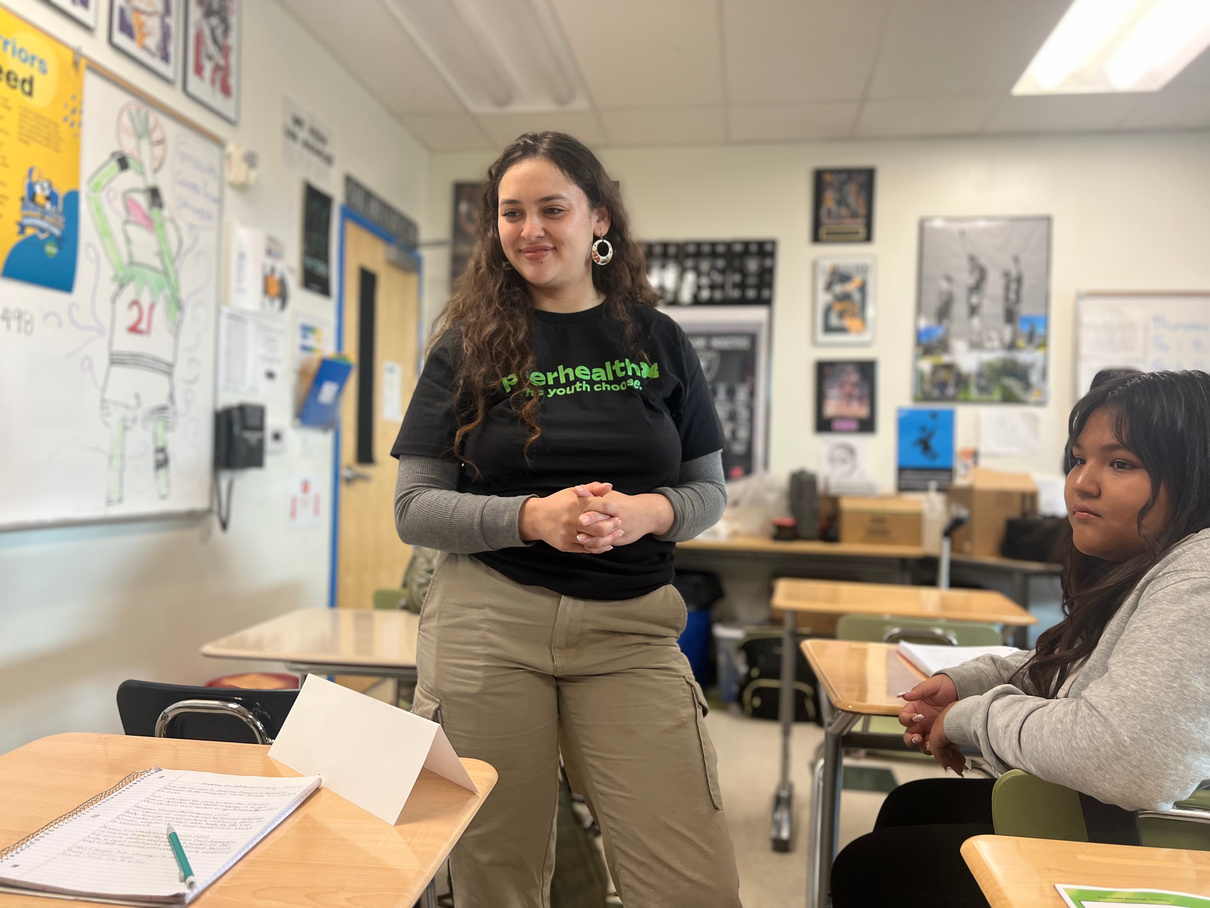
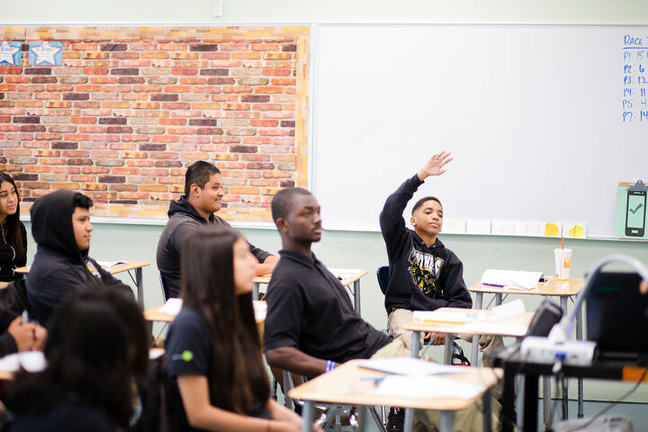
After participating in PHE programming:
94%
of students correctly define health as "a state of complete physical, mental, and social well-being and not just the absence of disease or infirmity."
90%
of students agree their peers would benefit from participating in this program.
81%
of students correctly identified asking for help as a strength
75%
of students correctly understand that everyone experiences stress (compared to a near-even split pre-curriculum)
72%
of students agreed that naming emotions can help manage them
63%
of students felt confident expressing or processing feelings
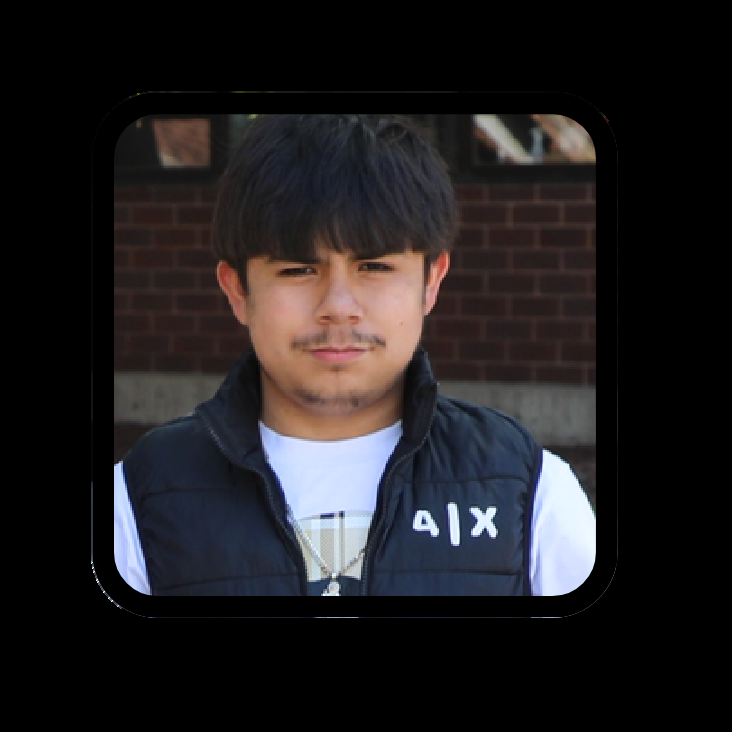
“Something that I learned from Peer Health Exchange is that you can do anything, no matter what. As long as you put your mind to it and as long as you talk to more people, you'll get to do more adventures. My biggest thing was that I got to talk to more people and our mental health just became a lot better. I've been willing to do more things and talk to more people and become more open about myself.”
Miguel
Student, Adams City High School
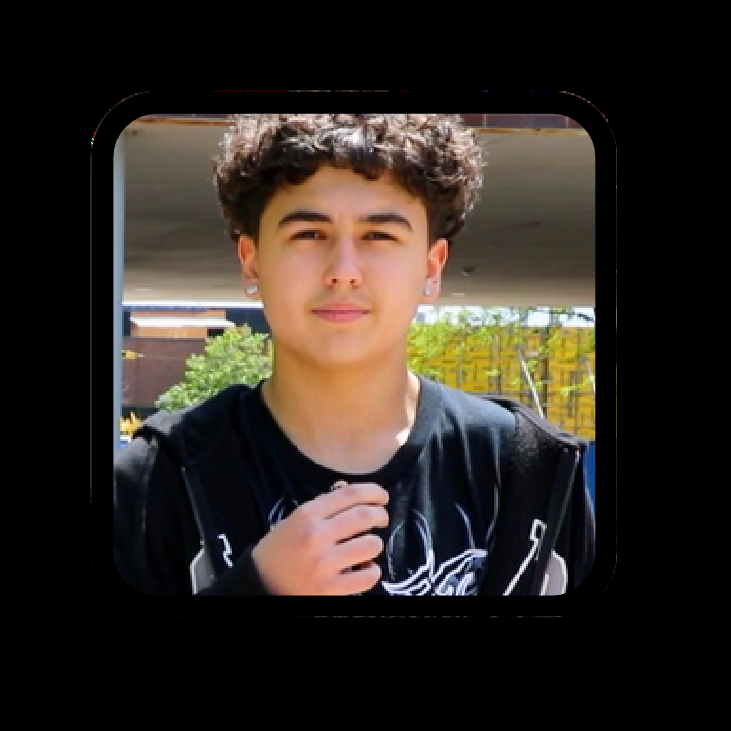
“One thing that I learned from this is you could really do anything with your life. You know, you're the one deciding it and you're the one who chooses your own path. And that's one thing that I would take away from this, for sure. The biggest perception change that I've had is that I realized you don't have to do things alone.”
Dean
Student, Adams City High School
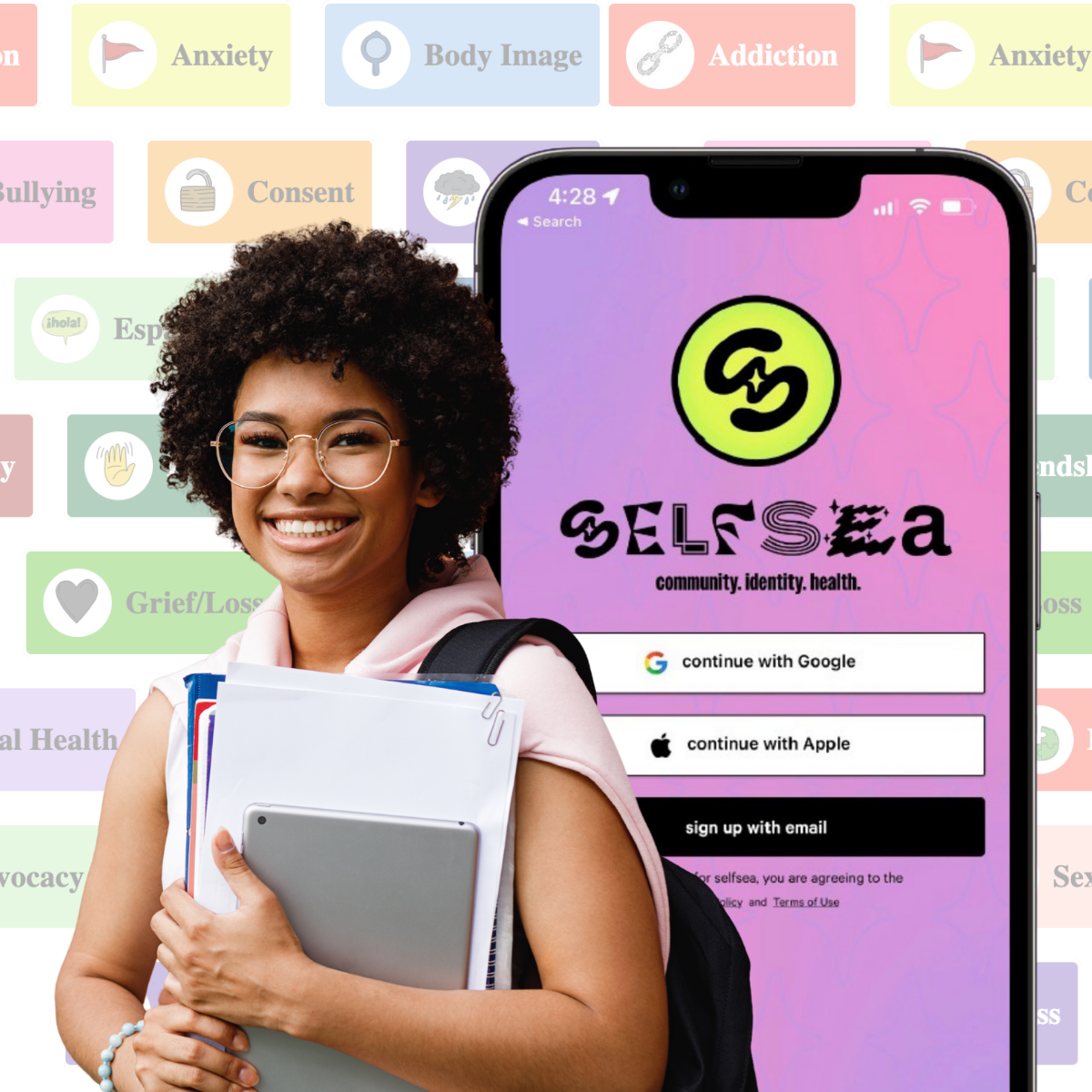
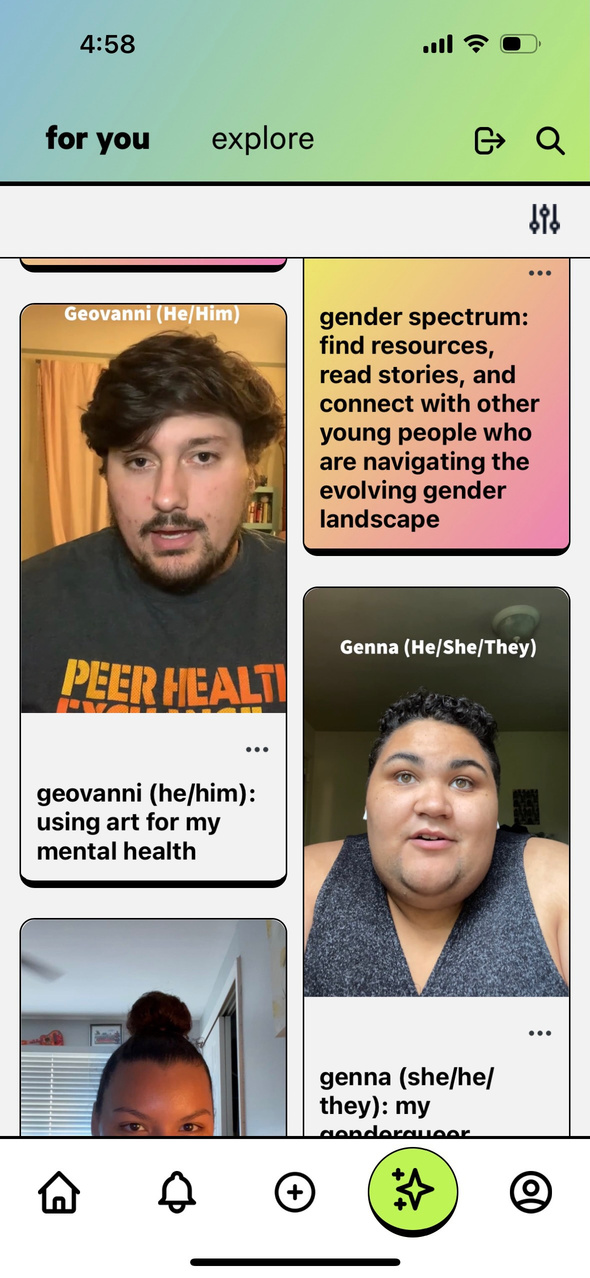
selfsea, powered by Peer Health Exchange, is a web app co-designed with young people to provide youth with safe, inclusive, and identity-affirming health resources and information. It's an online platform where young people ages 13-19 can see themselves reflected through content that prioritizes their identities and experiences about mental health, sexual health, and beyond. We co-built selfsea with Gen Z so that all young people get the help they need, wherever & whenever they need it & whoever they are.
In FY26, selfsea became a truly national-scale resource, reaching 1.2 million users with content on mental health, sexual health, and substance use.
500k+
new users this year
80%
year over year growth
1.2M
users
87%
of survey participants will use the information or resources from selfsea to seek help for their health
87%
of survey participants felt more positively about their ability to take action for their health
74%
of survey participants trust the information on selfsea
71%
of survey participants feel like the content on selfsea was made for someone like them
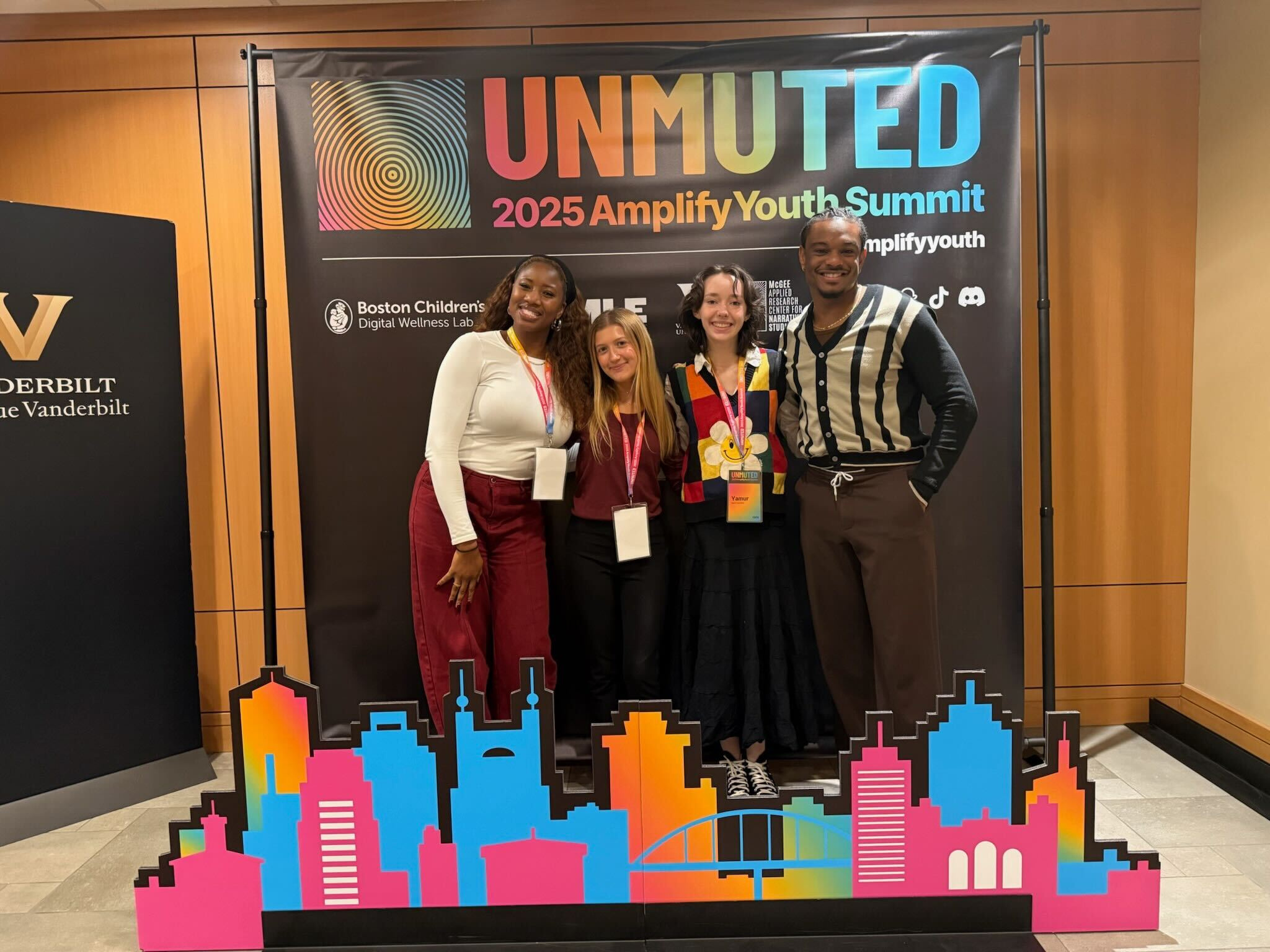
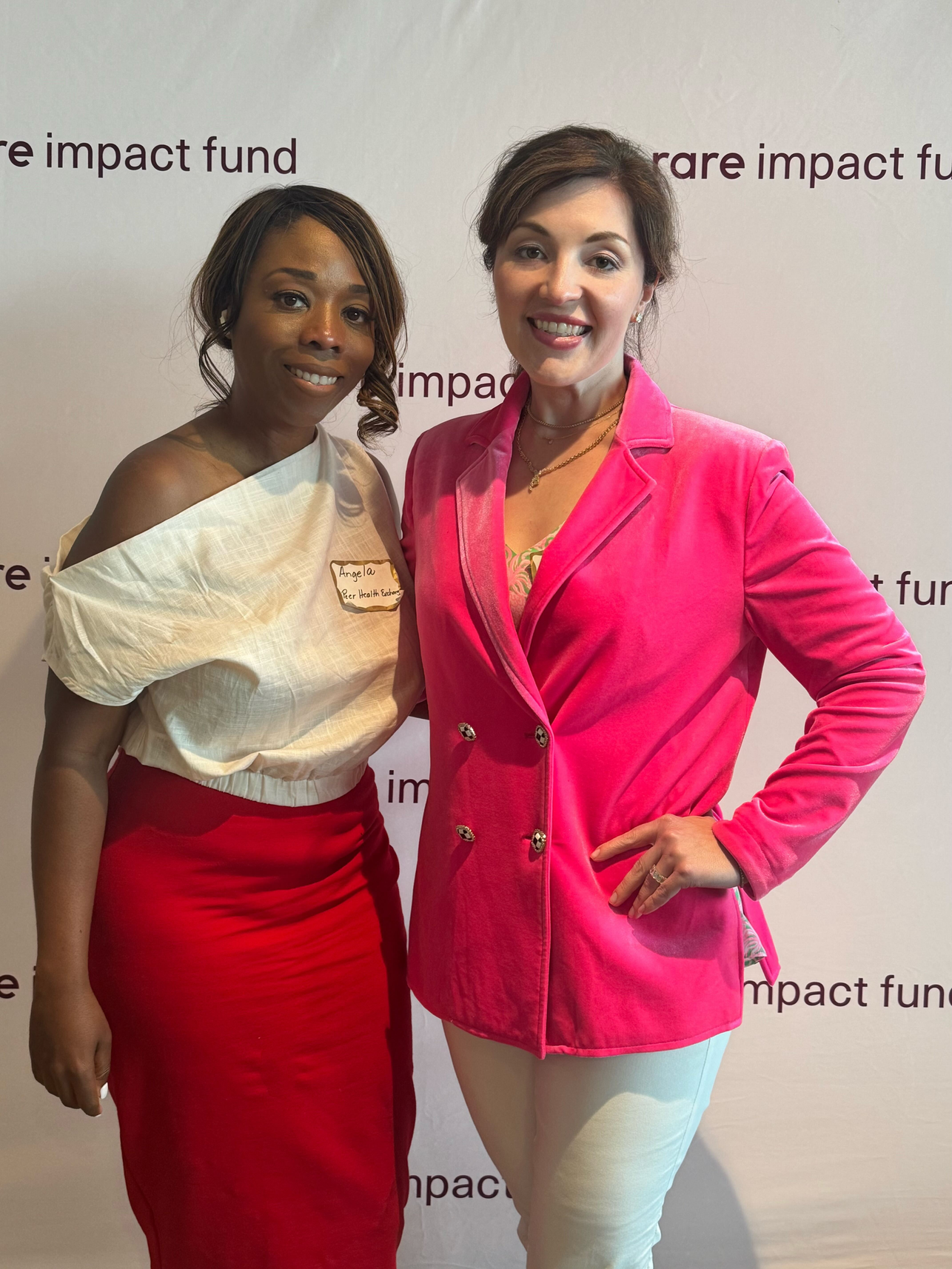
Reimagining the Future of Youth Mental Health Highlights from our selfsea corporate forum on investing in youth mental health, on February 19, 2026
Youth voice must be front and center. Companies investing in youth mental health must find ways to give young people a voice in co-creation. TikTok and Rare Beauty surfaced strong examples of how they center and amplify youth voice through youth councils, college ambassador program, co-design processes, and youth-informed product and content development.
Balance between clinical and cultural relevance is key. Companies can play a critical role in bridging mental health research and information with culturally relevant digital formats that make youth take notice. How? Working with clinicians and nonprofit experts to make sure messaging is grounded in research but translated into youth-native formats, language, and storytelling. Developing resources that are culturally relevant to address the unique experiences of youth, especially those from diverse backgrounds.
Building systems and infrastructures resonate more than campaigns. Young people are highly attuned to what is performative vs. structurally supported. Developing evergreen resources, support systems and information is critical in driving long-term outcomes.
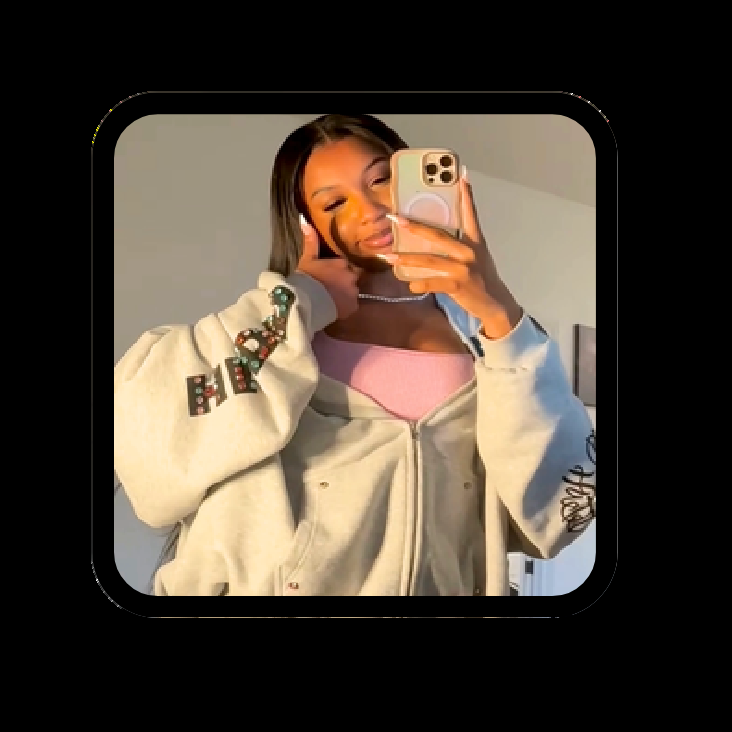
“One resource I recently learned about is selfsea. It's a platform created with young people in mind, where you can find information and resources about things like stress, anxiety, mental health, navigating hard classes, and so much more. I especially like that you can personalize the resources you see based on what you're actually going through. This platform has been such a big help for me because honestly, my journey with school has not been the easiest.”
Heaven
Digital Storyteller
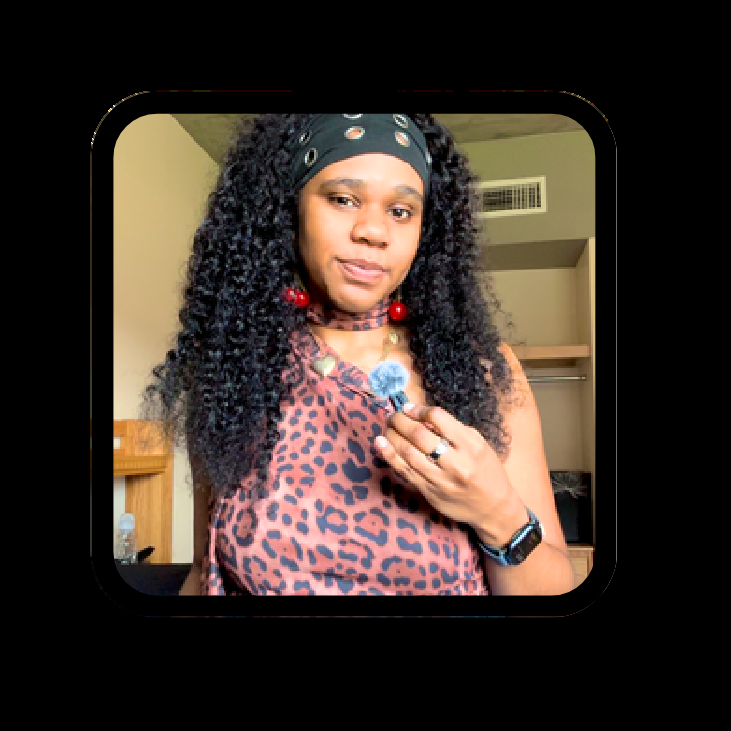
“It's also important to really navigate between academics, stress, and the stressors of academics. When I graduated from college three years ago, there was so many things I was doing, and the burnout was super real, and that doesn't even consist of the personal life things that I was going through.”
Deborah
Digital Storyteller
Peer Health Exchange partners with community-based organizations, schools, and youth development programs to deliver skills-based health education in person. In FY26, our curriculum reached young people in Boston, Cincinnati, Denver, New York City, and Somerville with a growing footprint in Massachusetts, Ohio, and other states.
During FY26, we strengthened partnerships with community-based organizations, delivering health education in trusted spaces where young people already gather.
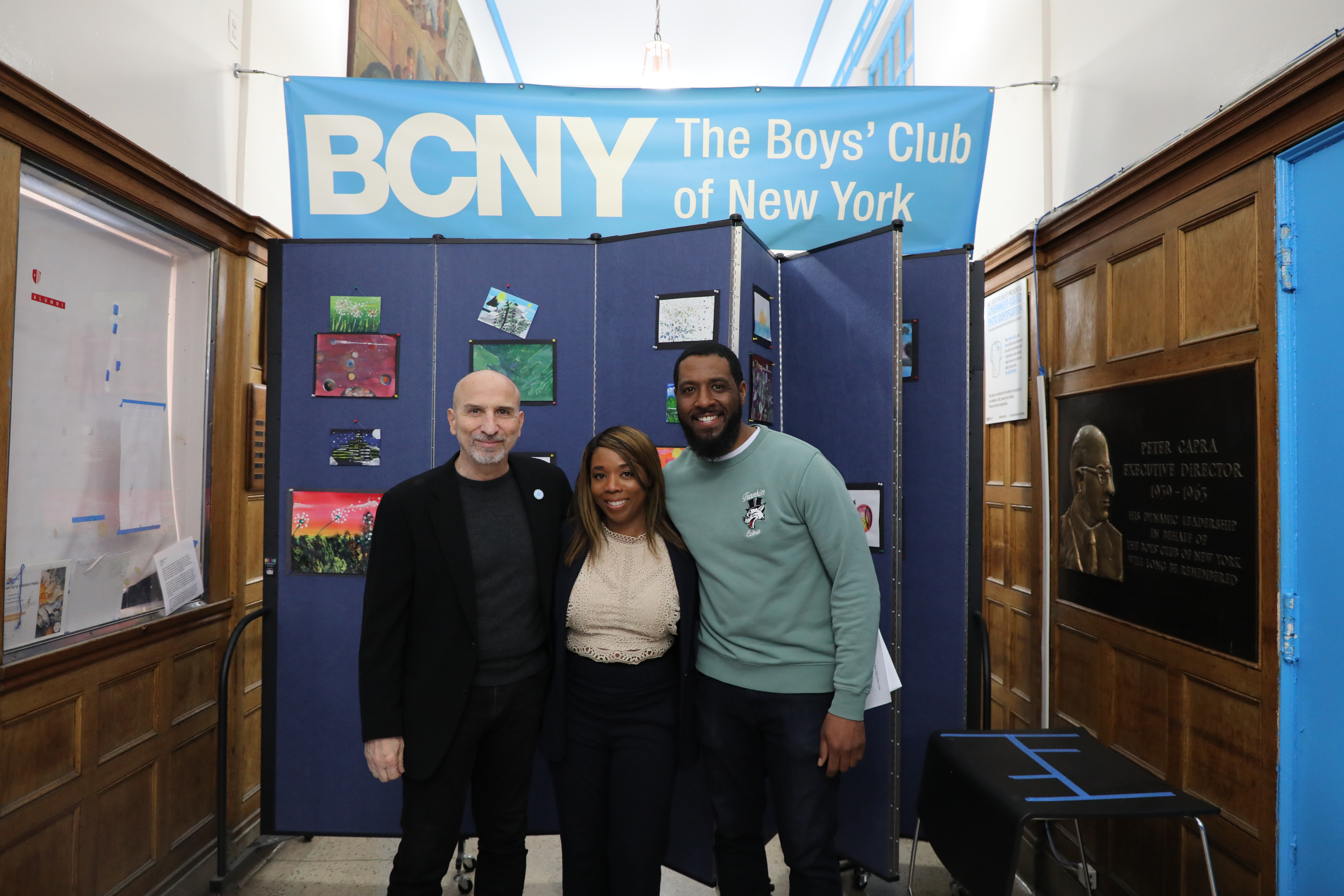
In FY26, Peer Health Exchange and the Boys' Club of New York (BCNY) partnered to pilot the expansion of mental health support for young men through Peer to Peer programming, starting with the Gerry Clubhouse. Staff from both PHE and BCNY partnered with youth from the Gerry Clubhouse to tailor the Centered curriculum to better fit the needs of young men in NYC. Gerry Clubhouse youth leaders were trained as Peer Facilitators to facilitate the adapted Centered curriculum to their peers, as well as PHE's digital resource, selfsea. Our vision is to learn from the pilot to best support all of BCNY youth with PHE's Peer to Peer program.
This year we also collaborated with BCNY to create informative mental health social media content on student athletes, International Self-Love Day, seasonal sadness, etc. In April, together with BCNY, we hosted The Pulse at Peer Health Exchange: The Young Men's Mental Health Edition. This collaboration marks an exciting step toward empowering youth with meaningful peer-driven tools and resources.
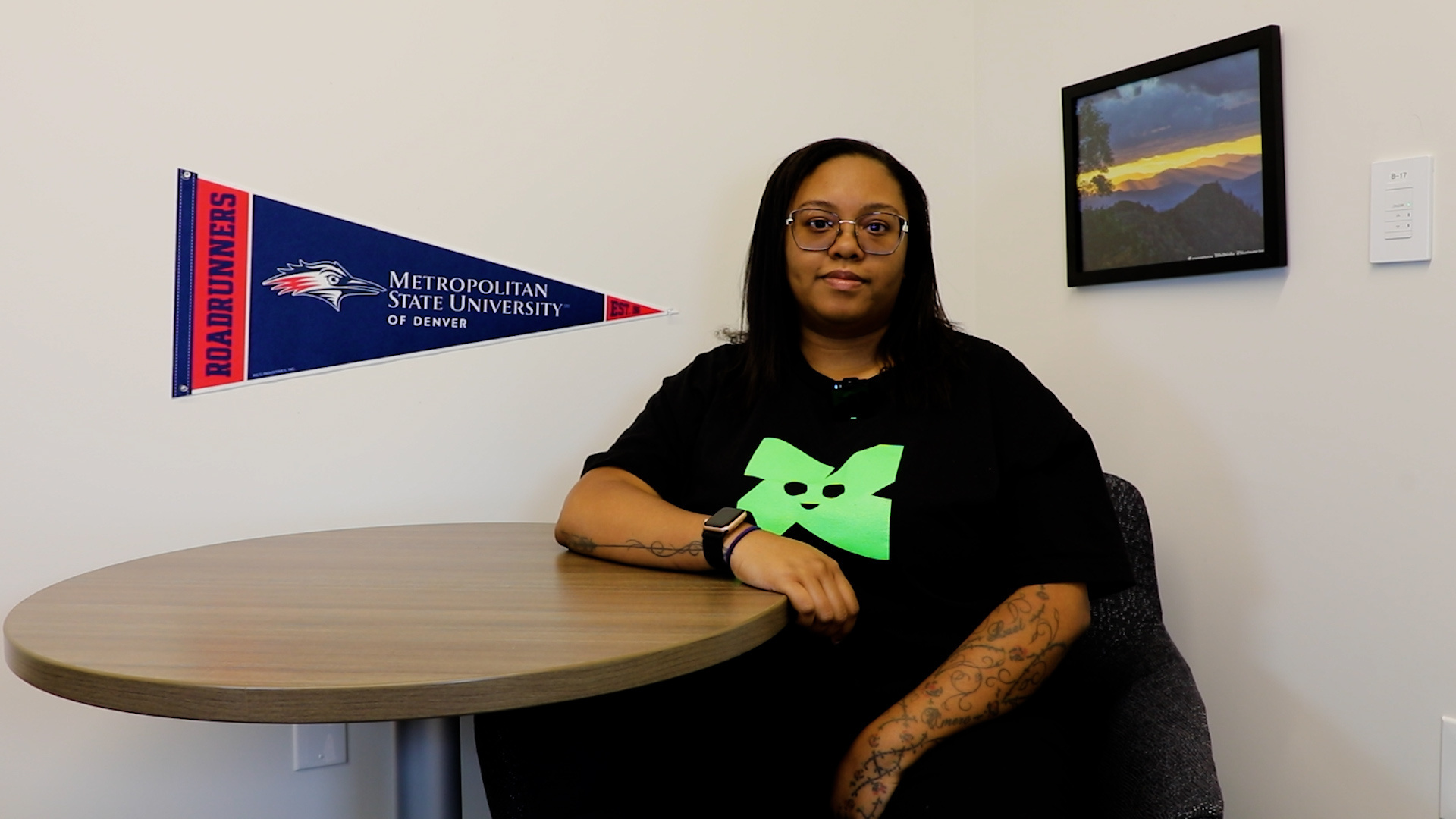
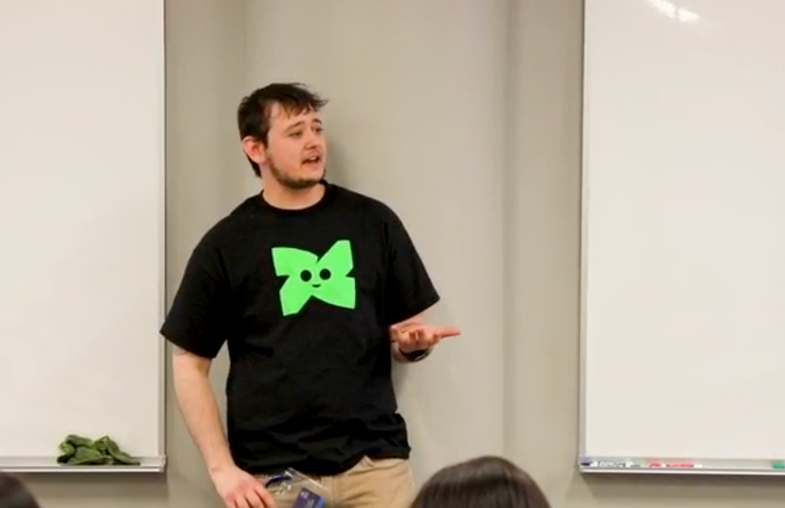
Since 2018, Peer Health Exchange has partnered with Metropolitan State University of Denver (MSU Denver) to bring comprehensive, peer-led health education to young people across the Denver and Aurora communities. Together, PHE and MSU Denver are equipping young people with trusted information, resources, and support to make informed decisions about their health and well-being. In 2026, PHE deepened this work by capturing the voices of student facilitators, faculty, and high school students, bringing the partnership's impact to life through the experiences of those closest to the work.
“Health education is important to me because growing up in high school, I didn't really have the resources to know who to go to, a therapist to talk to. And by me being a Peer Health Educator, it made me be the voice for kids and students who didn't really know much about that. The work for Peer Health Exchange is important because there's not a lot of people in high schools who have access to those resources.”
Jamiah
Peer Facilitator, MSU Denver
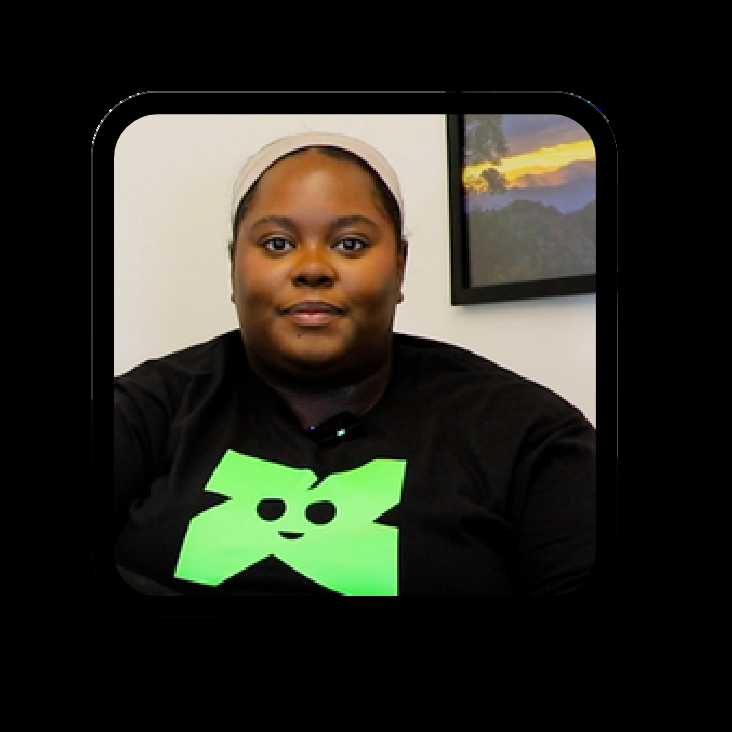
“Before I started this program, I didn't know why health education was that important. I think in looking at the content and doing the research, I really found value in the importance because we're not taught these things. I came from a low-income district, and I don't remember the last time I got health education.”
Marsus
Peer Facilitator, MSU Denver
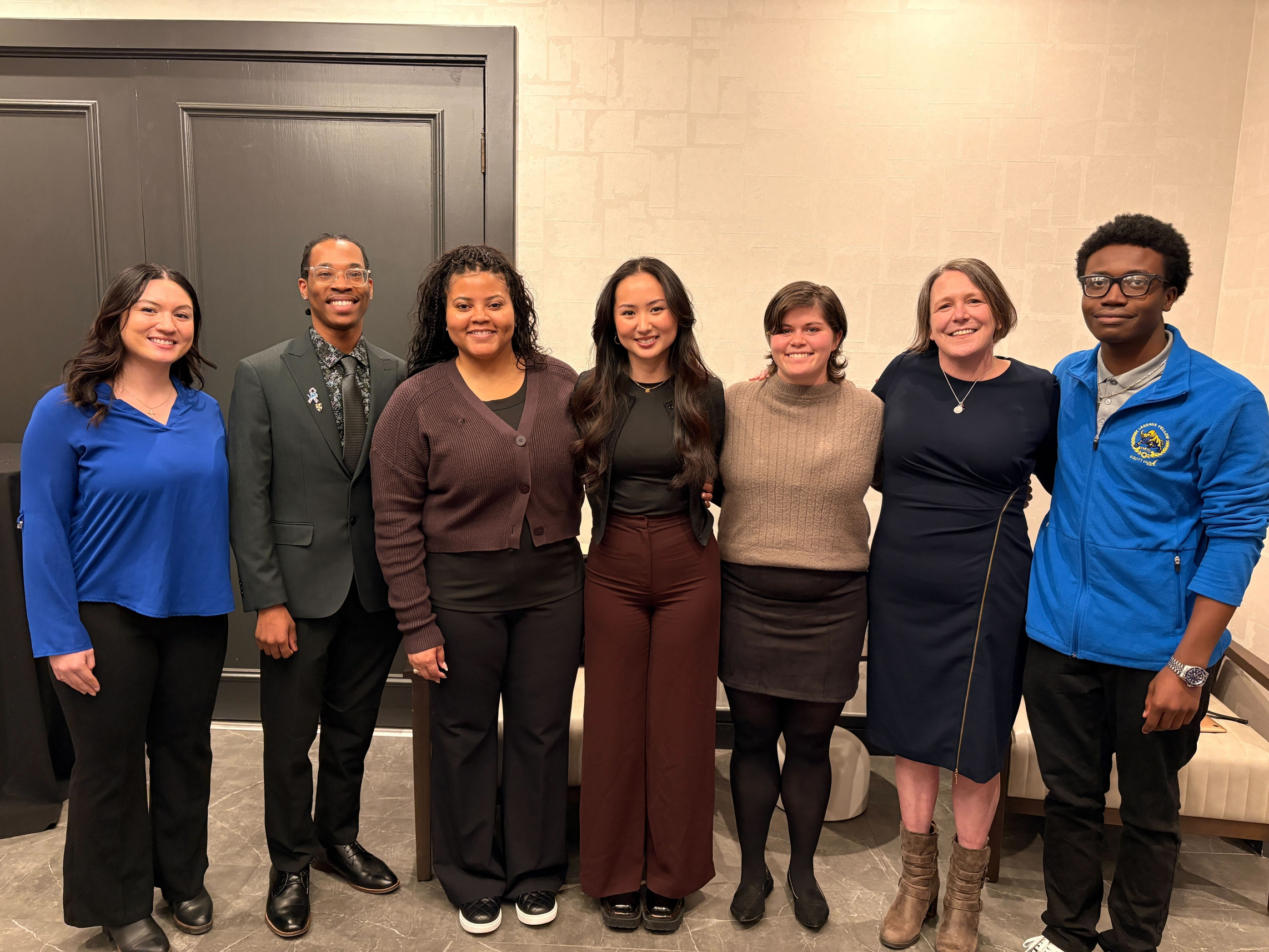
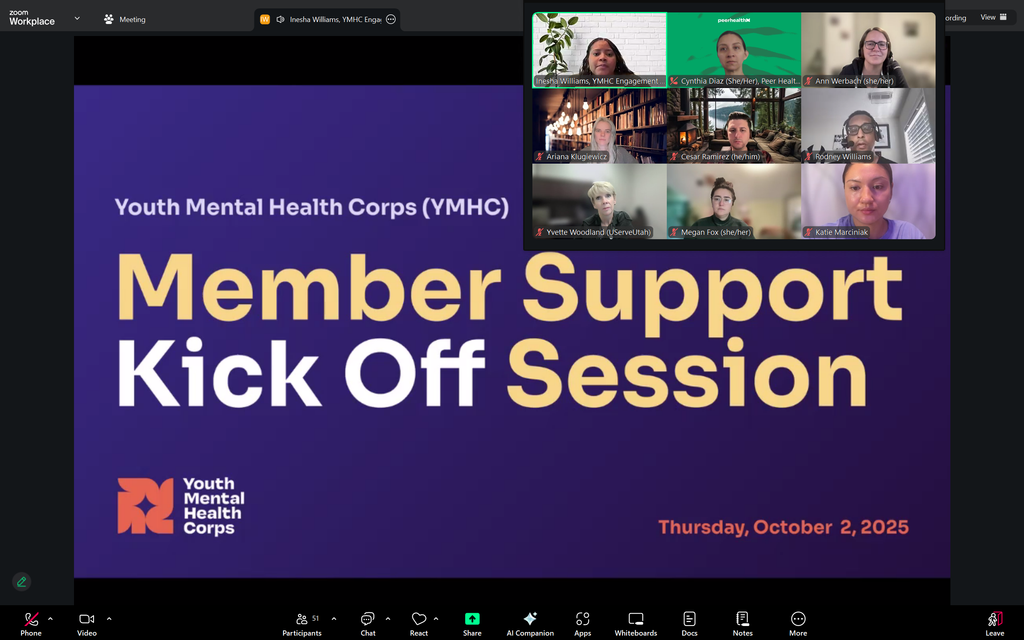
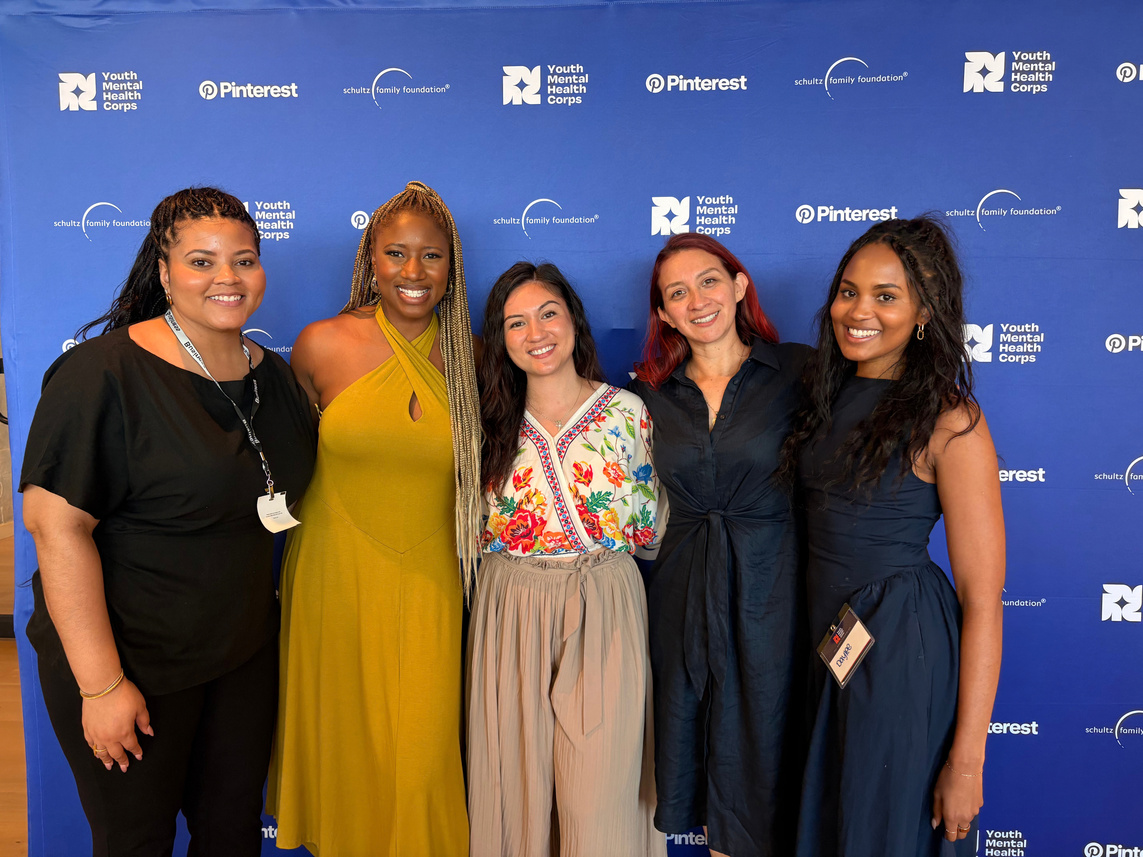
Peer Health Exchange supports the Youth Mental Health Corps by fostering a vibrant and supportive environment where hundreds of members have the opportunity to connect, learn, and grow. PHE has developed and implemented a Fellows Leadership Program that amplifies the voices of YMHC members nationwide and equips emerging leaders with the skills to translate lived experience into collective action, influence systems, and advance youth-centered mental health solutions. Lastly, in order to support the modification and improvement of the program, Peer Health Exchange tracks program insights and outcomes.
“I appreciate the Youth Mental Health Corps team continuing to conduct meetings / webinars with relevant and evolving information to personal and professional development.”
“Thank you to the Peer Health Exchange and Youth Mental Health Corps team for providing us with learning opportunities and community. Appreciate yall!”
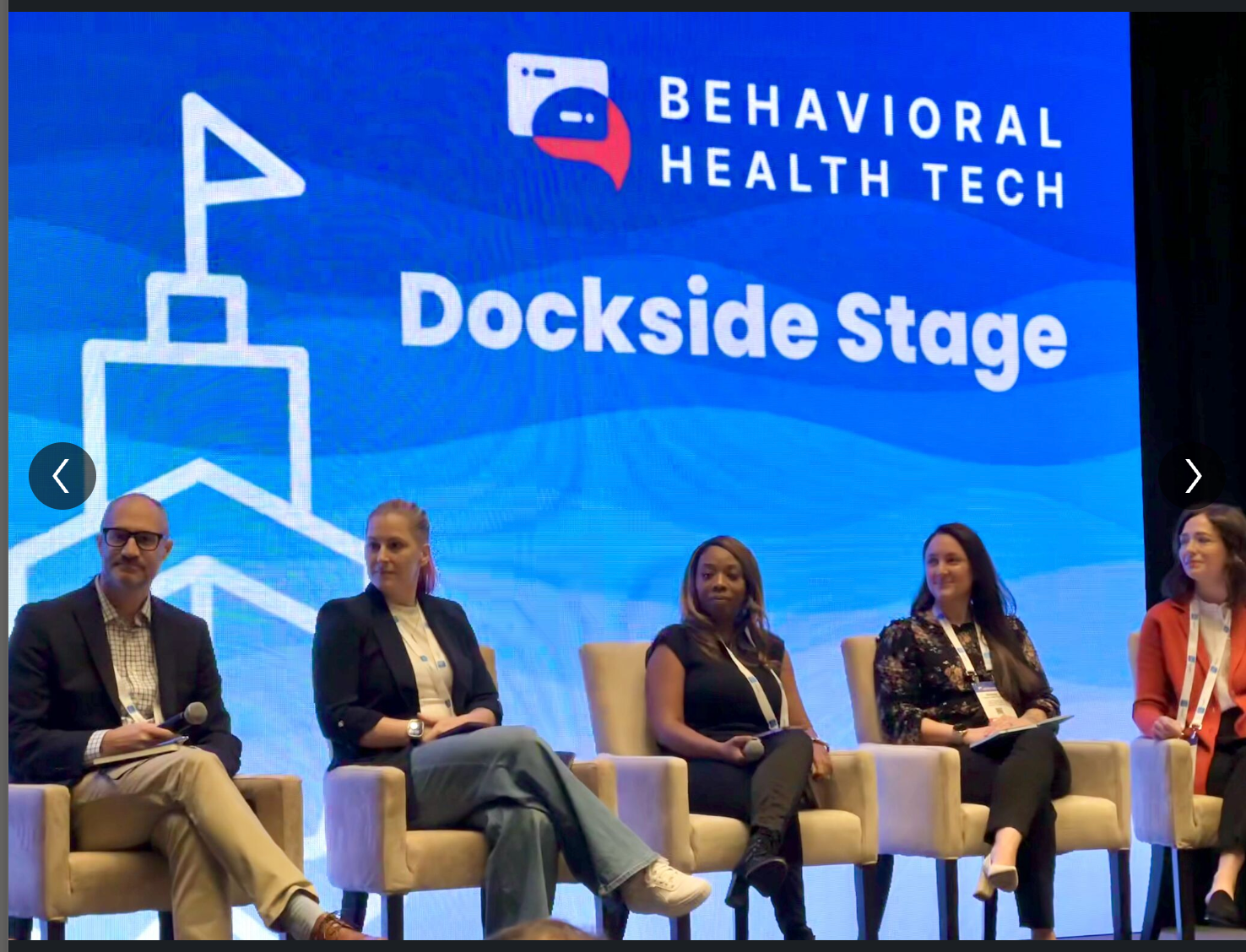
As Peer Health Exchange looks to the year ahead, we're expanding our reach through partnerships that bring trusted, relevant health education and support to more young people. We're excited to expand into Baltimore, Maryland, in partnership with Threads, and deepen our presence in the Bay Area through a new partnership with Movember. These collaborations will help PHE meet young people where they are, strengthen community-based connections, and continue building a future where every young person has the information, resources, and support they need to thrive.
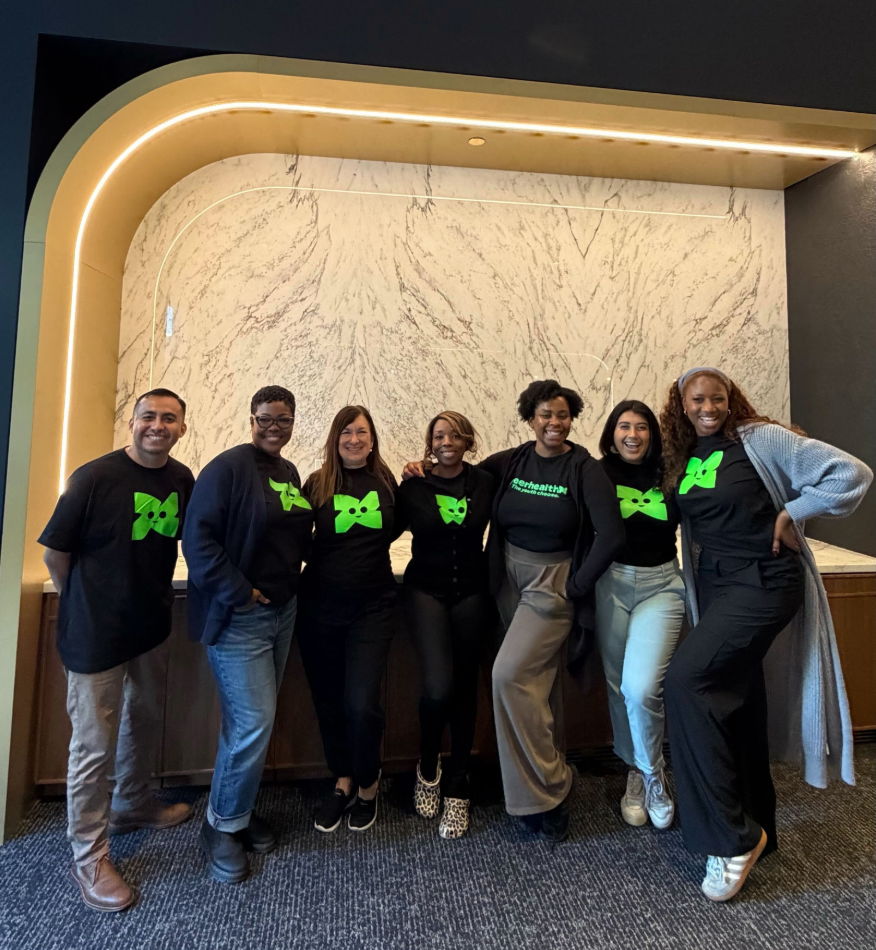
In FY26, we benefitted in numerous ways from the expertise and contributions of valued partners, such as:
Crotty Family Foundation
Kautz Family Foundation
Lisa Stone Pritzker Family Foundation
TikTok
The Annie E. Casey Foundation
The Lawrence Foundation
Rare Impact Fund
Robert & Shirley Harris Family Foundation
This research was funded by the Annie E. Casey Foundation, and we thank them for their support; however, the findings and conclusions presented in this report are those of the author(s) alone, and do not necessarily reflect the opinions of the Foundation.